Assessing Skilled Building Program Controlling Project Cost
Understanding the Role of a Commercial General Contractor in Achieving Superior Building Outcomes
A commercial general contractor is indispensable in the construction field. They guarantee that projects are completed on time and within budget. Their role involves overseeing detailed timelines and coordinating all involved parties. This integration is necessary for sustaining high safety and quality levels. Understanding their responsibilities reveals how they influence project outcomes. How do they specifically strategize to manage hurdles and provide successful deliveries?
The Importance of a Commercial General Contractor
Although some may underestimate their role, a commercial general contractor is vital for achieving positive project outcomes. Functioning as the central point of contact, these professionals make certain different construction phases blend perfectly. Their expertise encompasses more than just project management, including clear stakeholder communication, including clients, subcontractors, and suppliers. By managing budgets, timelines, and resource distribution, they reduce potential risks and optimize procedures.
Additionally, commercial general contractors handle intricate regulatory landscapes, making certain they comply with safety standards and local codes. Their experience in conflict resolution and handling issues is extremely valuable, particularly when sudden issues crop up during construction. Ultimately, a skilled commercial general contractor fosters collaboration, enhances efficiency, and contributes to the overall quality of the project. Their key position sets the stage for positive results, making them integral to any building endeavor, regardless of scale or complexity.
Key Responsibilities of a Commercial General Contractor
While supervising a construction effort, a commercial general contractor assumes a multitude of key responsibilities that are vital for project achievement. Primarily, they handle the construction calendar, guaranteeing that timelines are adhered to and that the project progresses as planned. They also oversee budgeting, regulating spending and making sure funds are distributed effectively.
The contractor is also accountable for recruiting and coordinating sub-trades, picking suitable specialists for specific jobs such as plumbing and electrical work. They guarantee compliance with regional building laws and safety guidelines, minimizing potential issues associated with building operations.
Additionally, a commercial general contractor is tasked with obtaining required permits and licenses to aid in the construction workflow. They conduct regular site inspections to monitor quality and progress, resolving problems that arise quickly. Ultimately, their role is to guarantee that the outcome satisfies requirements, is finished within the schedule, and stays within the financial limits.
The Role of Coordination and Communication in Construction
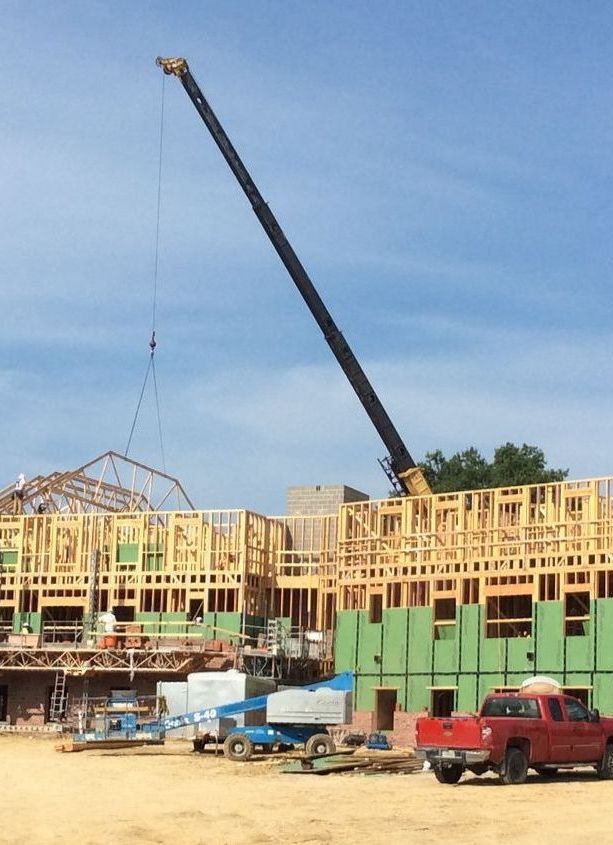
Successful coordination and communication are vital components in the successful completion of building projects, as they guarantee that all stakeholders are aligned with the project's goals and timelines. The general contractor is central in facilitating this process by setting up defined communication channels among subcontractors, suppliers, clients, and architects. They make certain that updates regarding potential issues, modifications, and progress updates are communicated efficiently and quickly.
Routine meetings and progress reports are essential to this process of coordination, enabling conflicts to be resolved quickly and the adjustment of schedules as needed. The ability of the contractor to encourage cooperation among various groups enhances overall project efficiency and reduces confusion. In addition, the use of project management tools and technologies can streamline communication, guaranteeing everyone can view to the most current information. Effective communication and coordination culminate in improved project outcomes and party gratification in the construction industry.
Financial Oversight and Budget Control
Managing finances and budgets is crucial to essential information the successful completion of building projects, guaranteeing efficient resource allocation and costs are controlled. The general contractor is instrumental in this process by developing detailed budgets based on the scope of work and expected client outcomes. They oversee all expenses throughout the duration of the project, spotting deviations and making necessary adjustments to steer clear of exceeding the budget.
The contractor works closely with suppliers and subcontractors to bargain contract terms, securing cost-effective rates while upholding standards of quality. Regular financial reporting and forecasting allow stakeholders to remain current and make informed decisions quickly. By enforcing rigorous financial measures, the contractor mitigates risks associated with unanticipated expenditures, maintaining the project's financial health. Ultimately, effective budget management and financial oversight boost the likelihood of project success but also cultivate a reliable relationship with the client, ensuring projects are completed successfully.
Guaranteeing Standards of Safety and Quality
Rigorous adherence to safety and quality requirements is critical for construction projects, where the stakes are high and errors can be costly. Commercial general contractors play a pivotal role in enforcing comprehensive safety measures and quality assurance measures from start to finish. They are responsible for adhering to local building codes, industry regulations, and best practices, which reduces potential hazards and enhance overall project integrity.
For this purpose, contractors often conduct regular site inspections, check that safety procedures are followed, and supply regular workforce instruction. Contractors partner with reputable subcontractors and vendors who are dedicated to high standards, making sure the work and materials meet required specifications. Through cultivating a focus on safety and quality, commercial general contractors not only protect their workforce but also improve the lifespan and resilience of the buildings they construct, which yields positive project results and client satisfaction.
Frequently Asked Questions
What Experience is Necessary in a General Contractor?
When hiring a commercial builder, one should consider their experience, references, licenses, portfolio, and insurance coverage - Hickory top rated Commercial General Contractor. Moreover, clear communication capacity and a proven track record of managing budgets and timelines are crucial for achieving project success
How Should I Go About Picking the Right Contractor for My Project?
When picking a suitable contractor, one should assess their background, verify past clients, review past projects, confirm licenses and insurance, and guarantee clear communication. An in-depth interviewing procedure can help assess alignment with project objectives.
What Issues Are Typical for Commercial Builders?
Commercial general contractors often face challenges such as budget constraints, scheduling conflicts, labor shortages, regulatory compliance, and managing subcontractors. These difficulties have the potential to influence the overall quality, budget, and duration of the project unless managed properly during construction.
How Do Contractors Handle Unexpected Issues During Construction?
When faced with unforeseen problems, contractors typically respond by rapidly assessing the problem, formulating alternative solutions, and keeping all parties informed. Hickory top rated Commercial General Contractor. The staff often leverage teamwork and their experience to implement solutions, making sure there is minimal disruption to the project's budget and timeline
What is the Standard Timeline for a Commercial Construction Project?
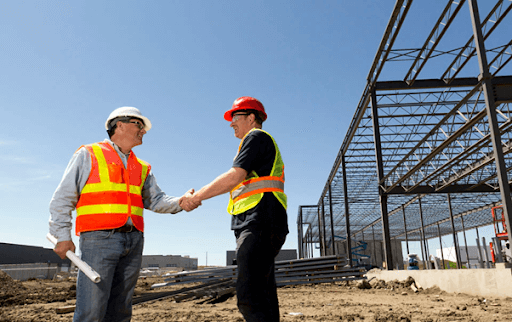
The typical timeline for a commercial construction project can range from a few months up to several years, contingent upon factors such as project scope, complexity, the permitting process, and the materials and labor being available.